Dependable Deck Builders for All Budgets: Claim Your Free Estimate
Finding a reliable deck builder at an affordable price can significantly impact the outcome of your home improvement project. Homeowners often experience obstacles in choosing the right contractor who can meet both financial constraints and quality expectations. Free estimates serve as a essential tool in this process, providing a clearer understanding of costs and options. Even so, knowing what to look for in a contractor is important. The next steps could define the final look of your ideal outdoor space.
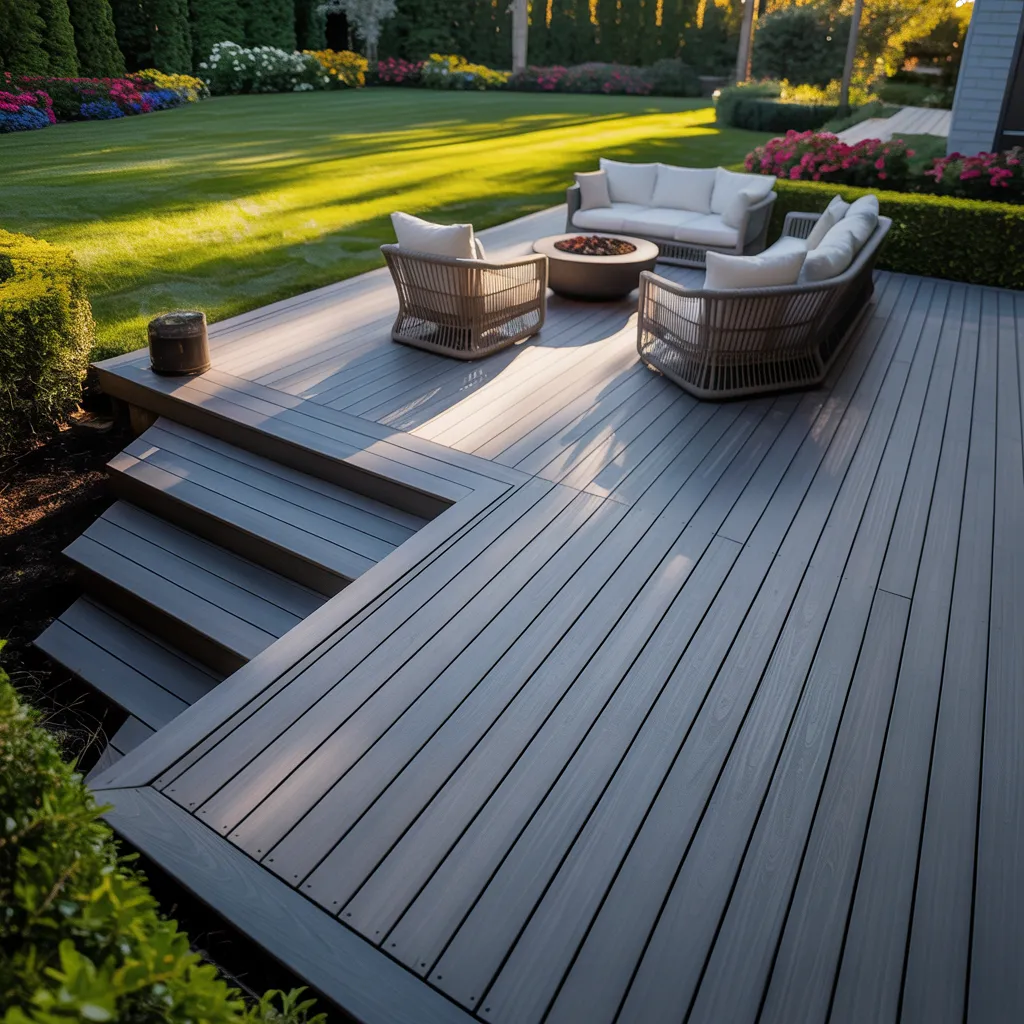
Why Choosing the Right Deck Builder Matters for Your Unique Project
To what extent does the decision of a deck builder influence the success of a building project? The ideal deck contractor can greatly impact both the standard and efficiency of a building project. A qualified professional provides skill and expertise, guaranteeing that the deck satisfies both visual and functional standards. They can deliver helpful guidance into design choices, materials, and local building codes, which assists in avoiding costly errors.
In addition, a reputable builder has established connections with suppliers, potentially resulting in better pricing and access to high-quality materials. This can lead to a longer-lasting and aesthetically pleasing finished product. Conversely, choosing an inexperienced or unreliable builder may lead to project delays, cost overruns, and disappointing outcomes. As a result, it is crucial to consider builders based on their certifications, completed work, and client testimonials. Choosing the ideal deck builder ultimately influences the project's quality and the homeowner's overall satisfaction.
What to Anticipate From Free Estimates
What can homeowners anticipate when seeking free consultations for their deck project? At first, they can expect a comprehensive assessment where builders evaluate their goals and preferences. Throughout this stage, homeowners should share information about their desired materials, design, and size. Builders will typically conduct a site visit to examine the site, factoring in aspects such as site conditions and ease of access.
Homeowners can also anticipate a detailed summary of charges associated with labor, materials, and extra features. Quotes generally contain a range of alternatives, permitting homeowners to assess diverse pricing options and designs. Additionally, a dependable builder might present projected schedules for finishing the project, helping homeowners plan accordingly.
Finally, homeowners ought to feel comfortable asking questions and resolving any uncertainties. Such proactive communication confirms that the estimate matches their requirements, laying the foundation for a smooth and successful deck-building process.
How to Determine Your Deck Budget
Figuring out a cost estimate for a outdoor deck project can often be challenging for homeowners and families. To create a realistic budget, it is necessary to begin by reviewing personal financial limits and determining how much can be budgeted without jeopardizing other important commitments. Property owners should evaluate the design, size, and materials of the deck, as these aspects considerably influence the total cost.
Researching average prices in the local market can provide valuable insights, helping to set realistic expectations. Moreover, homeowners should factor in potential extra costs, including permits, site preparation, and landscaping.
Creating a well-organized list of elements can further support decision-making, allowing for adjustments based on spending boundaries. Lastly, it is recommended to allocate a reserve for unforeseen expenses, maintaining monetary flexibility throughout the undertaking. Using this approach, homebuilders can define a budget that reflects their goals while being financially sustainable.
Important Qualities to Consider in a Deck Builder
When selecting a deck builder, it is crucial to prioritize experience and expertise to secure quality workmanship. Moreover, ensuring that the professional maintains the necessary credentials and insurance protects both the homeowner and the investment. These characteristics function as fundamental indicators of a reliable and skilled professional in the decking profession.
Skills and Expertise
Selecting a competent deck builder necessitates careful consideration of their background and skill set. An experienced builder will have a well-established reputation, showcasing a range of completed projects that demonstrate their skill level. This experience often translates into a deeper understanding of design, materials, and construction methods, allowing the builder to manage unexpected challenges efficiently.
Proficiency also covers understanding of the latest trends and industry standards in building decks, guaranteeing that the finished structure is not only practical but visually appealing. Furthermore, experienced contractors have greater knowledge of regional requirements and can manage the permitting process efficiently. In the end, choosing a deck contractor with considerable skill and knowledge can greatly enhance the quality and durability of the finished deck, providing peace of mind for homeowners.
Licensing and Insurance Information
A reliable deck builder should always possess proper licensing and insurance coverage. This verifies that the builder follows local codes and industry requirements, providing peace of mind to homeowners. Licensing provides proof of the builder's expertise and dedication to professional standards. Insurance, on the other hand, covers both the builder and the client when accidents or unexpected damages arise during the build. When selecting a deck builder, property owners should require documentation of these credentials. Missing or inadequate licensing and insurance could suggest serious concerns, including inferior craftsmanship or legal liability. At the end of the day, hiring a licensed and insured deck builder is critical for a smooth and stress-free building process.
Essential Questions to Ask Deck Builders
What valuable information can future homeowners obtain by posing the right questions to prospective deck builders? Engaging a deck builder involves more than simply obtaining a quote; it requires understanding their expertise and reliability. Property owners should question the builder about their experience and completed projects, while also requesting references to measure customer approval. It's important to clarify timelines, ensuring that deadlines align with the homeowner's expectations. Furthermore, reviewing guarantees on both supplies and workmanship can offer reassurance. Homeowners would be wise to question who the subcontractors are and what qualifications they hold. Understanding the payment structure, including deposits and final payments, is key to avoiding financial surprises. In closing, homeowners should ask about required permits for the construction, confirming conformity with local building codes. Through asking these key questions, homeowners can arrive at well-informed decisions and hire a full information deck builder who satisfies their specific requirements.
Finding the Right Materials Within Your Budget
In selecting materials for a deck, homeowners must weigh the benefits of traditional wood against composite alternatives. The long-term durability of materials is a key factor in this choice, as it affects maintenance costs and lifespan. Furthermore, looking into budget-friendly options can provide budget-friendly solutions without compromising quality.
Wood Versus Composite Materials
When weighing wood and composite decking materials for constructing a deck, homeowners should evaluate both aesthetics and budget constraints. Wood provides a traditional, natural aesthetic and is often more budget-friendly initially. Yet, it demands consistent maintenance, including staining and sealing, which could raise overall costs over time. In contrast, composite materials, made from a blend of wood fibers and plastic, present a low-maintenance solution with an array of colors and finishes. Though the initial cost for composites tends to be greater, they are resistant to fading and warping, drawing in those who prioritize long-term performance. At the end of the day, the selection relies on personal tastes, maintenance commitment, and long-term financial considerations, which means homeowners should thoroughly assess these elements before arriving at a final choice.
Long-Range Durability Aspects
Durability plays an essential role in determining the best materials for building a deck, most notably for homeowners who are mindful of their expenses. When considering options, wood and composite options come with their own set of strengths and weaknesses. Natural wood, while aesthetically pleasing, requires regular maintenance to prevent rot, warping, and insect damage. By comparison, composite materials provide superior durability, standing up to fading and wear with very little maintenance. Homeowners should assess their local climate, as exposure to moisture and sunlight can influence material lifespan. Furthermore, recognizing the planned purpose of the deck is essential; heavily used spaces may require more robust materials. In the end, the ideal selection weighs upfront cost against lasting value, making certain that the deck continues to be useful and visually pleasing well into the future.
Budget-Friendly Alternatives on Offer
Choosing the ideal materials for building a deck can greatly affect both visual appeal and finances. Homeowners seeking affordable alternatives often consider pressure-treated wood, which provides resilience at a more affordable price compared to premium hardwoods. Composite options also provide a practical solution, merging recycled plastics and wood fibers for a extended-life alternative that requires little upkeep. For homeowners on tighter finances, treated plywood can function as an cost-effective solution, though it may not endure the weather as well. Additionally, vinyl decking is gaining popularity for its cost-effectiveness and resistance to rot and fading. By assessing these options, property owners can build a attractive and durable deck without going over budget, guaranteeing a sound investment for the future.
Tips for Evaluating Deck Builder Proposals
How can homeowners effectively evaluate deck builder proposals to guarantee they make the best choice? First, they should compare multiple estimates, looking for variations in pricing, materials, and timelines. A thorough itemization of expenses makes it easier to understand what is covered and enables more meaningful comparisons. Furthermore, assessing the contractor's experience and professional reputation is a vital step; reaching out to references and exploring online reviews reveals important details about their trustworthiness and skill level.
Homeowners ought to also ensure that proposals include required permits and warranties, as these factors can greatly impact overall long-term satisfaction. It is recommended to inquire about the building process and material choices, confirming consistency with the homeowner's goals and budget. Additionally, straightforward communication is critical; proposals should be clear and void of technical jargon, indicating the builder's commitment to transparency. By adhering to these guidelines, homeowners can arrive at a knowledgeable choice when identifying a deck builder that fulfills their expectations.
How to Plan for Your Deck Installation Day
Deck installation tends to be both thrilling and overwhelming for homeowners alike. Proper preparation can alleviate stress and guarantee a smooth process. First, homeowners should remove any furniture, plants, or obstacles from the installation area to ensure the builders have unobstructed access. Doing so not only streamlines the work but also safeguards any existing landscaping.
Furthermore, residents should discuss any specific preferences or concerns to the building team, ensuring all parties are aligned. It is helpful to establish a designated zone for equipment and supplies, which keeps things organized throughout the construction process.
Moreover, property owners should brace for likely noise and activity by giving neighbors advance notice. Lastly, putting a plan in place for pets and children while installation is underway is key to safety and minimizing disruptions. By taking these steps, homeowners can create a conducive environment for the deck builders, making the experience enjoyable and efficient.

Commonly Asked Questions
What Types of Decks Can I Choose From?
Property owners can select from various deck types, including wooden, composite, aluminum, and PVC. Each option delivers its own set of benefits, such as strength, care needs, appearance, and overall expense, allowing for personalized outdoor spaces tailored to individual preferences.
How Long Does a Typical Deck Installation Take?
A typical deck build generally takes one to two weeks, depending on the scope and complexity of the build. Weather factors and material supply can also influence the overall schedule for project completion.
Do You Need Permits for Deck Construction?
Yes, permits are typically needed for deck construction. Local building authorities commonly require homeowners to acquire permits to ensure compliance with zoning laws, safety standards, and building codes, upholding neighborhood aesthetics and structural integrity.
What Warranties Are Typically Offered by Deck Builders?
Deck builders typically offer warranties that address materials, workmanship, and structural integrity, often ranging from one to ten years. Such warranties offer protection against defects and deliver homeowners reassurance about their investment.
Can I Customize My Deck Design?
Absolutely, deck designs are often able to be customized to address personal requirements. Most construction professionals collaborate closely with customers to include unique features, materials, and layouts, confirming the end result reflects the homeowner's goals and preferences.